Our Story
We did not build 5230 from a theory.
We built it from what we had to survive.
5230 Man In Progress began with one man finally becoming honest about what had been running his life.
For years, I knew how to achieve, provide, lead, serve, and perform. I knew how to appear strong while quietly carrying grief, fear, anger, abandonment, and the pressure to be everything for everyone.
I had survived the murder of my father.
I had survived the loss of my daughter.
I had survived the ending of a marriage.
I had survived two heart attacks.
But survival and healing are not the same thing.
The Archive · Evidence Preserved
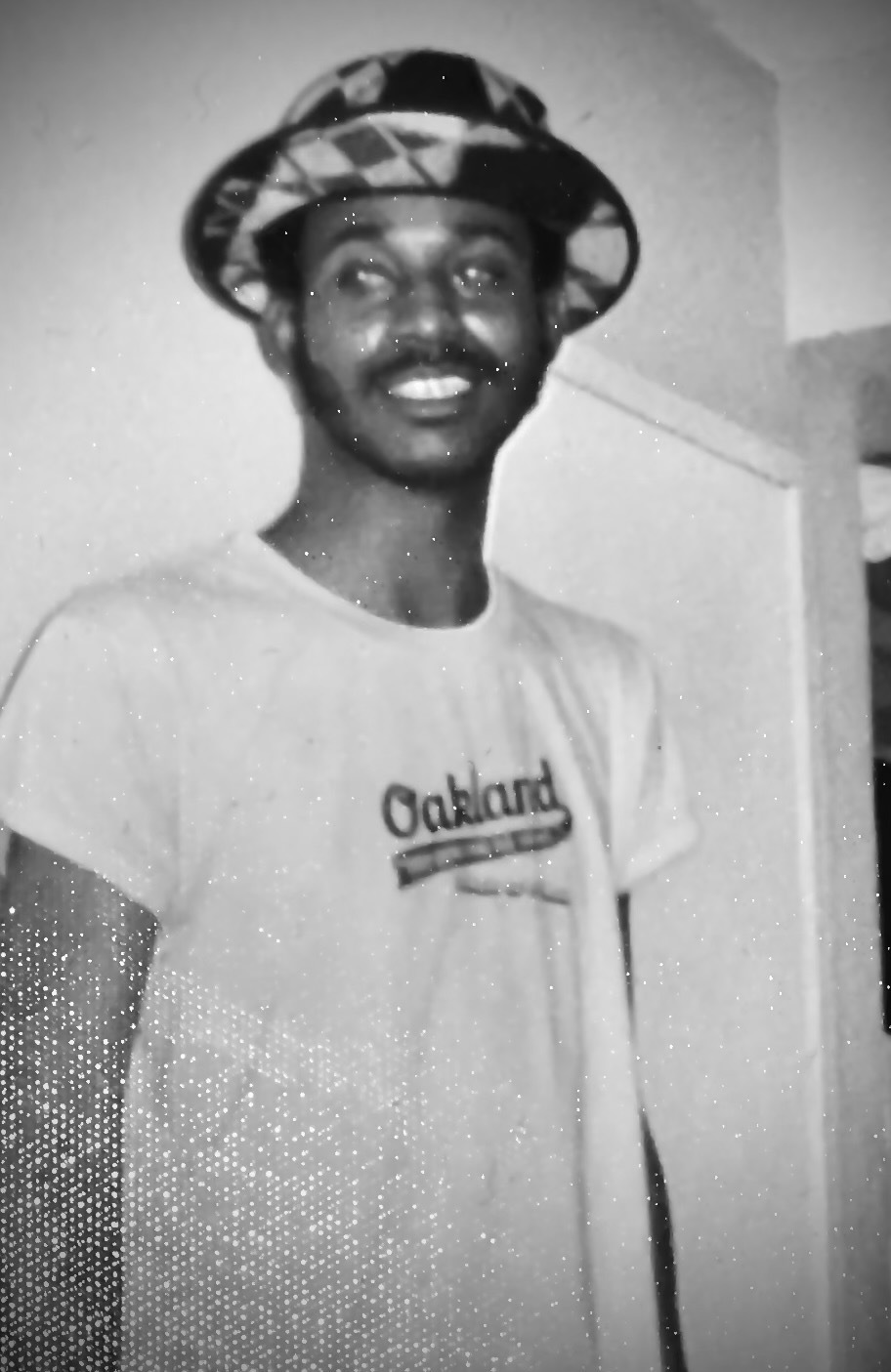
Archive 01 — My Father
Larry C. Milon Sr.
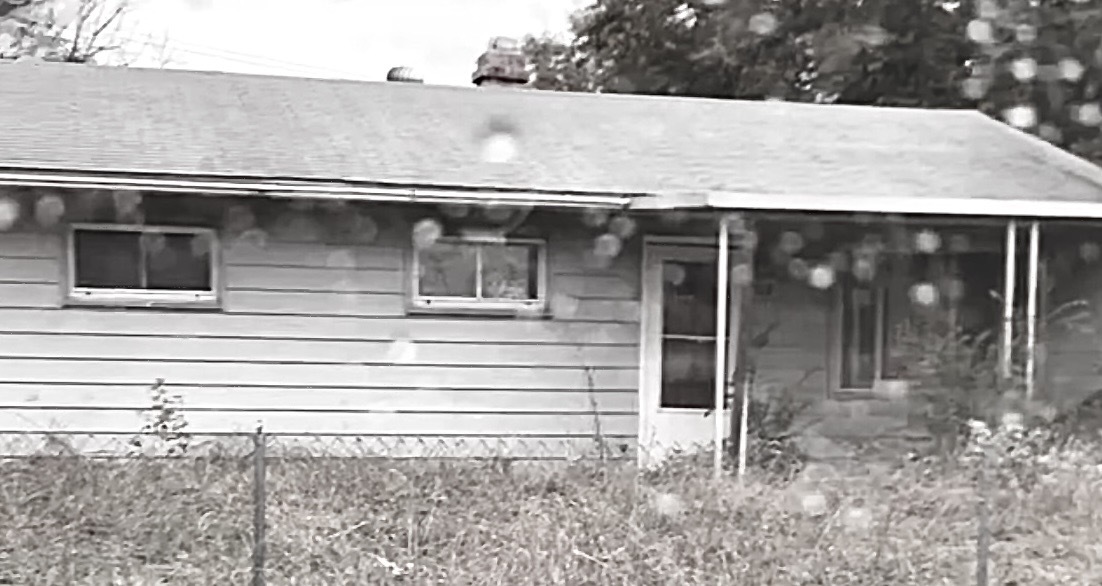
Archive 02 — The Driveway
Where it began. Where it almost ended.
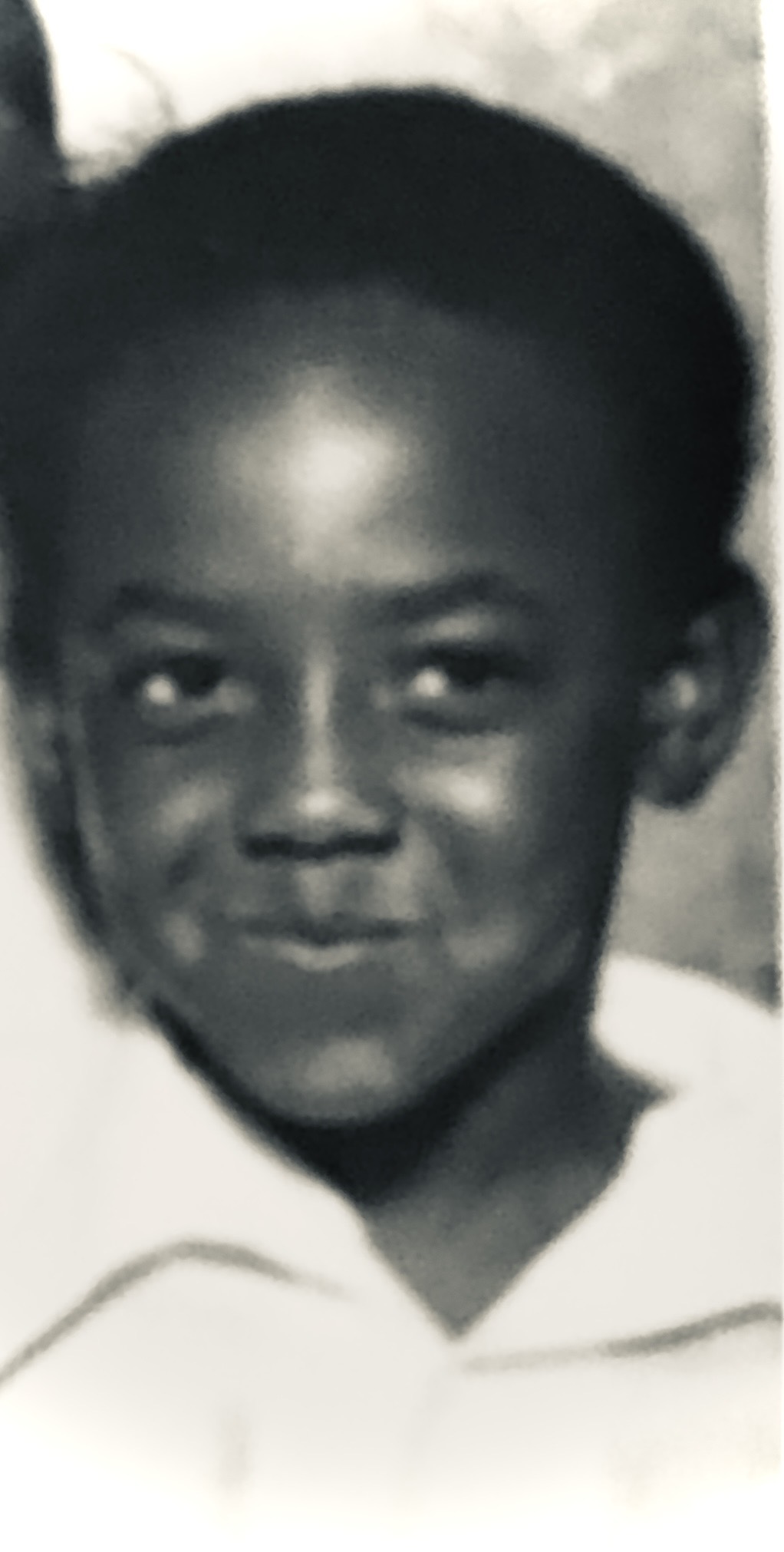
Archive 03 — Before the Name Changed
Larry C. Milon Jr. · Age 4
I eventually had to confront a difficult truth: some of what I called strength was actually survival. Some of what I called discipline was fear. Some of what looked like confidence was performance. And some of what I had survived was still making decisions for me.
That realization became the beginning of 5230.
If this story is landing somewhere personal—if you are carrying grief, fear, or pain that has never had anywhere to drain—please reach out. You do not have to carry it alone.
Suicide & Crisis Lifeline. This work was built by a man who was once where you may be. There is a way through.
What 5230 Means
5230 represents fifty-two years of life and thirty days of intentional transformation.
It is not the promise that everything broken over a lifetime can be repaired in thirty days.
It is the belief that thirty honest, accountable and consistent days can interrupt a pattern that has been operating for generations.
The thirty days are not the destination.
They are the decision to stop hiding, start tracing and begin becoming.
The Protocol
- 01Name It.
- 02Trace It.
- 03Weigh It.
- 04Choose—Do Not Perform.
- 05Repeat Tomorrow.
From Performance to Progress
5230 was created to eradicate the perception of perfection and embrace the grace of progress.
Perfection
Teaches us to protect the image.
“How do I look?”
Progress
Gives us permission to tell the truth.
“What is forming inside me?”
This work is not about pretending the past did not happen. It is about refusing to let old pain, inherited patterns, and outdated evidence continue making present-day decisions.
You may not have chosen what happened to you. You can choose what continues through you.
The Work Became a Body of Work
What began as my personal journey became a language, a pathway and eventually an interconnected body of work. Each work stands on its own.
Together, they form a pathway from survival to decision, from decision to practice, from practice to repair, and from repair to responsible becoming.
Stage 01 — Survive
Available NowOvercomers Only: Man in Progress
The honest account of survival and becoming—not the testimony of a man who had arrived, but the story of a man finally willing to tell the truth about what it took to remain alive.
Explore Overcomers OnlyStage 02 — Decide
Available NowThe Audacity to Decide
Goes beneath behavior to confront the inherited architecture, archived evidence, unresolved pain and borrowed voices influencing our present-day decisions. It asks one disruptive question: Who—or what—has been holding the pen?
Get The Audacity to DecideStage 03 — Practice
Coming SoonThe 30-Day Man in Progress Pathway
Moves diagnosis into daily formation through reflection, accountability, consistency and practiced decisions. The book named it. The Pathway trains it.
Join the Pathway WaitlistStage 04 — Repair
Coming SoonThe Covenant Work
Personal transformation eventually reaches the relationships touched by our unexamined patterns. The Covenant work asks what becomes possible when two people stop using each other's failures to avoid confronting their own responsibility.
Explore the Covenant WorkStage 05 — Know
In DevelopmentThe Audacity to Know
The journey toward purpose, prominence, posture, power and the price of becoming. Real power is not self-created. It is received, developed and responsibly stewarded.
Together, a Pathway
- See the pattern.
- Understand its origin.
- Make the decision.
- Practice the decision.
- Repair what the pattern touched.
- Become responsible for what comes next.

Thirteen Years In.
Not perfect.
Still present.
Still accountable.
Still choosing.
Jasmine's Voice
“I did not wake up accountable for his surgery. I woke up accountable for my voice, my healing, my choices, and the woman I was continuing to become inside the covenant. That is how I stopped being only the witness of his change and became a participant in ours.”
— Jasmine Hill, Co-Founder
The Work Became Ours
Love did not exempt us from the work.
It gave us somewhere to practice it.
5230 began with me becoming honest about what had been deciding for me.
It became covenant work when Jasmine and I recognized that two people can love each other deeply and still protect themselves in ways that make intimacy difficult.
We both entered our marriage carrying histories, expectations, fears, survival responses, and definitions of love that existed before we met one another.
Love did not automatically erase them.
Marriage exposed them.
Our ten-year vow renewal was not a celebration of perfection. It was evidence of decision.
We were not promising that we would never struggle again. We were choosing to keep telling the truth, accepting responsibility, repairing what our survival responses had touched, and choosing each other again.
That decision gave language to the next movement of the work.
Minimal Viable Marriage
Coming SoonWhat must remain—or be rebuilt—for two people to stop merely surviving beside each other and begin practicing safety, honesty, intimacy and covenant again?
Minimal Viable Marriage does not ask whether the relationship looks successful. It asks whether the relationship still contains what is necessary for both people to participate honestly in repair.
We Woke Up Accountable
Coming SoonWhat becomes possible when neither person uses the other's failure to avoid confronting their own responsibility?
We Woke Up Accountable moves beyond identifying what is wrong with the marriage. It asks each person to examine what they are protecting, what they are contributing, what they must repair, and what choosing one another again will require.
This is not the story of a perfect husband and wife.
It is the continuing work of a Man in Progress and a Woman Ova Being Perfect who decided that accountability would not be used as punishment.
It would become intimacy.
Personal healing affects marriages.
Marriages affect families.
Families shape bloodlines.
What We Believe
- You can honor where you came from without repeating everything that came through it.
- Accountability is not condemnation. It is the courage to tell the truth about your impact and participate in repair.
- Faith should not be used to avoid emotional honesty, relational responsibility or practical work.
- Transformation requires more than inspiration. It requires language, practice, community, consistency and the willingness to make another decision tomorrow.
- Progress is not the absence of relapse. It is the refusal to turn a setback into an identity.
- Becoming is not reserved for people who have never fallen apart. It belongs to people willing to stop performing and start becoming.
We Are Still Becoming
5230 is not built around the image of a finished man, a perfect woman, or a flawless marriage. It is built around willingness.
I am not presenting myself as someone who has arrived. I am a husband, father, author, life coach, and Man in Progress who is still learning, still deciding, still repairing, and still becoming.
I see my value.
I understand my vulnerabilities.
I am committed to repairing my cracks.
This is not simply our story. It is an invitation to examine yours.
Your next decision can change what comes next
You do not have to deny your history to create a different future.
You do not have to perform strength while privately falling apart.
You do not have to be perfect to become responsible. You only have to become honest enough to make the next decision.
Stop performing. Start becoming.
One person. One relationship. One family. One decision at a time.
Larry C. Hill Sr.
Founder, 5230 Man In Progress
“Not that I have already obtained it or have already become perfect, but I press on so that I may lay hold of that for which also I was laid hold of by Christ Jesus.”Philippians 3:12 (NASB)